
Photo Restoration in Los Angeles, CA
Overview of Photo Restoration Services at Photo Center
Photo restoration at Photo Center in Los Angeles, CA is a specialized imaging service focused on repairing, reconstructing, and preserving damaged or deteriorated photographs through controlled digital processing techniques. The service is designed to address common issues such as fading, discoloration, physical tears, scratches, and missing image sections while maintaining the original character of the photograph.
The restoration process begins with a detailed assessment of the physical or scanned photograph. Each image is evaluated for damage type, severity, and restoration requirements. This includes identifying color degradation, contrast loss, emulsion damage, and structural defects that affect overall image clarity.
Once evaluated, the photograph is digitized at high resolution if it is not already in digital form. This ensures that every detail is captured accurately before restoration work begins. The digital file then becomes the foundation for all corrective processes, allowing precise adjustments without further damaging the original print.
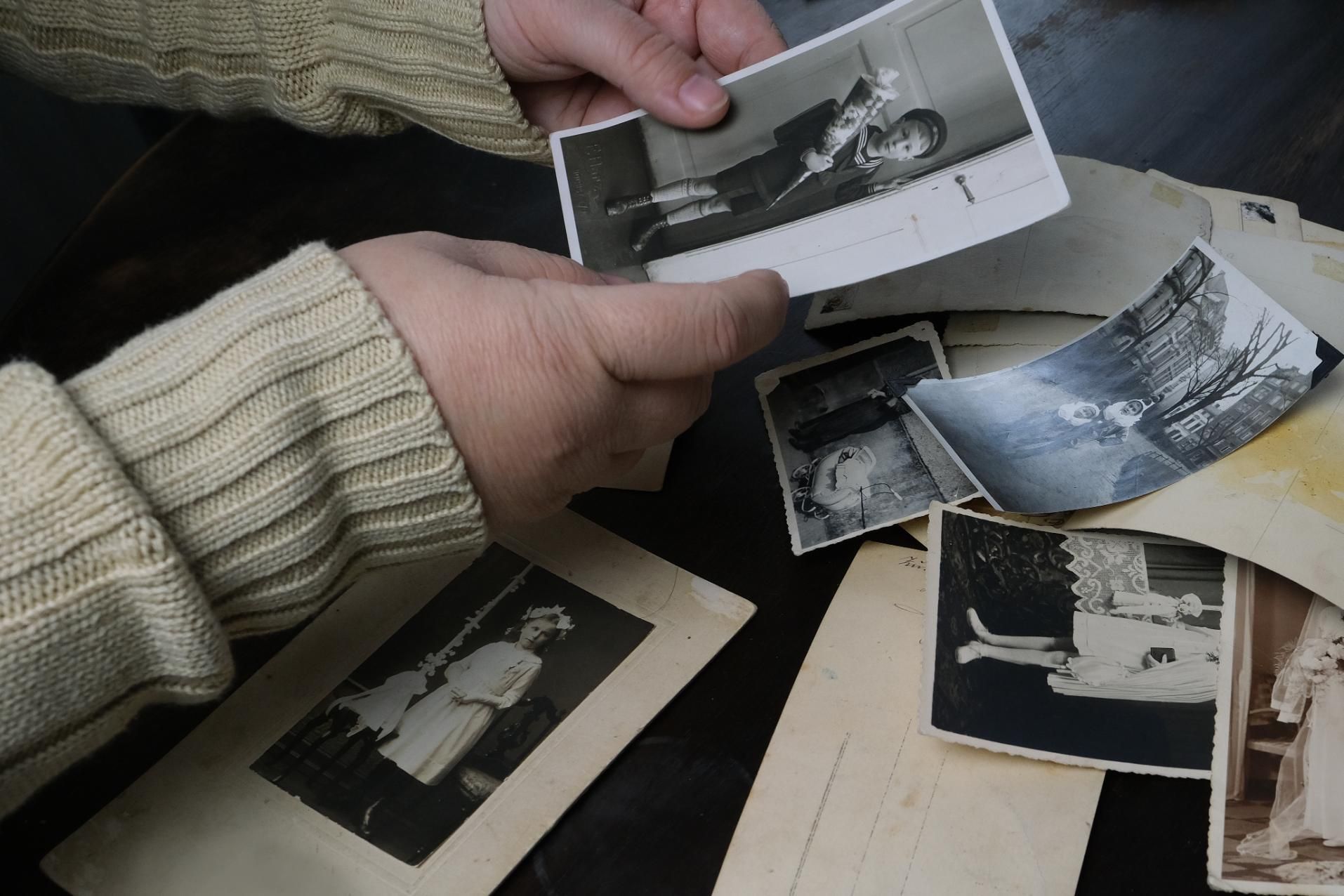
Digitization and Image Capture Process
The first technical stage in photo restoration is the conversion of physical photographs into high-resolution digital files. This step ensures that all visible and subtle details are preserved for editing and reconstruction.
High-Resolution Scanning of Originals
Photographs are scanned using calibrated imaging equipment that captures fine texture, grain structure, and tonal variation. This process is essential for preserving detail in older prints that may already be fragile or partially degraded.
Negative and Slide Digitization
In cases where film negatives or slides are available, they are scanned directly to produce higher-quality source files. This method often yields better restoration results due to the higher dynamic range and detail retention of film originals.
Image Stabilization and File Preparation
After scanning, digital files are stabilized and prepared for editing. This includes correcting orientation, removing scanning artifacts, and standardizing resolution to ensure consistency throughout the restoration workflow.
Damage Correction and Repair Techniques
Photo restoration involves multiple layers of digital correction designed to repair visible and structural image damage while preserving authenticity. Each repair stage is applied selectively depending on the condition of the photograph.
Scratch, Tear, and Surface Damage Removal
Physical damage such as scratches, folds, and tears is corrected using pixel-level reconstruction techniques. Missing or damaged areas are rebuilt based on surrounding image data to maintain continuity in texture and detail.
Dust, Stain, and Artifact Cleanup
Old photographs often contain dust spots, chemical stains, or scanning artifacts. These imperfections are carefully removed while ensuring that natural grain and texture remain intact.
Structural Image Reconstruction
In cases where portions of the image are missing or heavily damaged, reconstruction techniques are used to restore facial features, backgrounds, and objects. This process relies on surrounding visual information to rebuild missing content in a consistent manner.
Color Restoration and Tonal Recovery
Many aged photographs suffer from fading, yellowing, or uneven color shifts due to environmental exposure and chemical breakdown. Photo restoration includes systematic correction of these issues to recover original tonal balance.
Fading and Discoloration Correction
Color channels are individually adjusted to correct fading and restore natural skin tones, background hues, and object colors. This process helps bring the image closer to its original appearance.
Black and White Contrast Enhancement
For monochrome photographs, tonal range is refined by adjusting highlights, midtones, and shadows. This improves depth and clarity while preserving the original grayscale aesthetic.
Selective Color Rebalancing
Certain areas of an image may require localized color correction. Selective adjustments are applied to ensure that restored tones remain consistent across different regions of the photograph.
Detail Enhancement and Image Refinement
After major repairs and color corrections are completed, the restoration process moves into refinement and enhancement stages. These adjustments ensure the final image is visually coherent and ready for output.
Sharpness Recovery and Edge Definition
Soft or blurred areas are enhanced to improve clarity. Edge definition is carefully controlled to avoid artificial sharpening effects while restoring natural detail.
Grain and Texture Preservation
While enhancing clarity, original film grain or photographic texture is preserved where appropriate. This ensures that the restored image maintains its historical authenticity.
Background and Object Refinement
Background elements and secondary subjects are refined to ensure consistency across the entire image. This includes smoothing transitions and correcting perspective distortions caused by damage.
Final Output Preparation and Archival Options
Once restoration is complete, images are prepared for both physical and digital output. This stage ensures that restored photographs can be preserved, printed, or shared in high-quality formats.
High-Resolution Digital File Delivery
Restored images are exported in high-resolution formats suitable for printing and long-term digital storage. Common formats include TIFF and JPEG, depending on usage requirements.
Print Preparation and Enlargement
Restored photographs can be printed in various sizes depending on customer preference. Print-ready files are optimized for color accuracy and resolution scaling to ensure faithful reproduction.
Archival Copy Creation
For long-term preservation, archival copies of restored images are created. These files are stored in formats designed to minimize compression loss and maintain image integrity over time.
Photo restoration at Photo Center in Los Angeles, CA is structured around precise digital reconstruction workflows that combine high-resolution imaging, controlled correction techniques, and careful tonal recovery processes to preserve and restore valuable photographic materials.


