
Photo Finishing in Los Angeles, CA
Overview of Photo Finishing Services at Photo Center
Photo finishing at Photo Center in Los Angeles, CA involves a complete set of professional imaging processes designed to transform exposed film—including C41 color negative film, APS film, and black and white film—digital files, and scanned negatives into finished photographic products. The service covers traditional darkroom-based development workflows as well as modern digital enhancement and output systems, ensuring compatibility with both analog and digital photography needs.
The process begins with careful handling of incoming materials, whether they are 35mm rolls, medium format negatives, disposable camera film, or digital image files. Each format is evaluated for exposure quality, color balance, and required output specifications before any processing begins. This ensures that the finishing stage aligns with the photographer’s intended aesthetic and technical requirements.
At
Photo Center, photo finishing is not treated as a single-step task but as a structured sequence of controlled processes. These include chemical development or digital conversion, image correction, output calibration, and final print or file preparation. Each stage is executed under controlled lighting and calibrated equipment to maintain consistency across all finished materials.
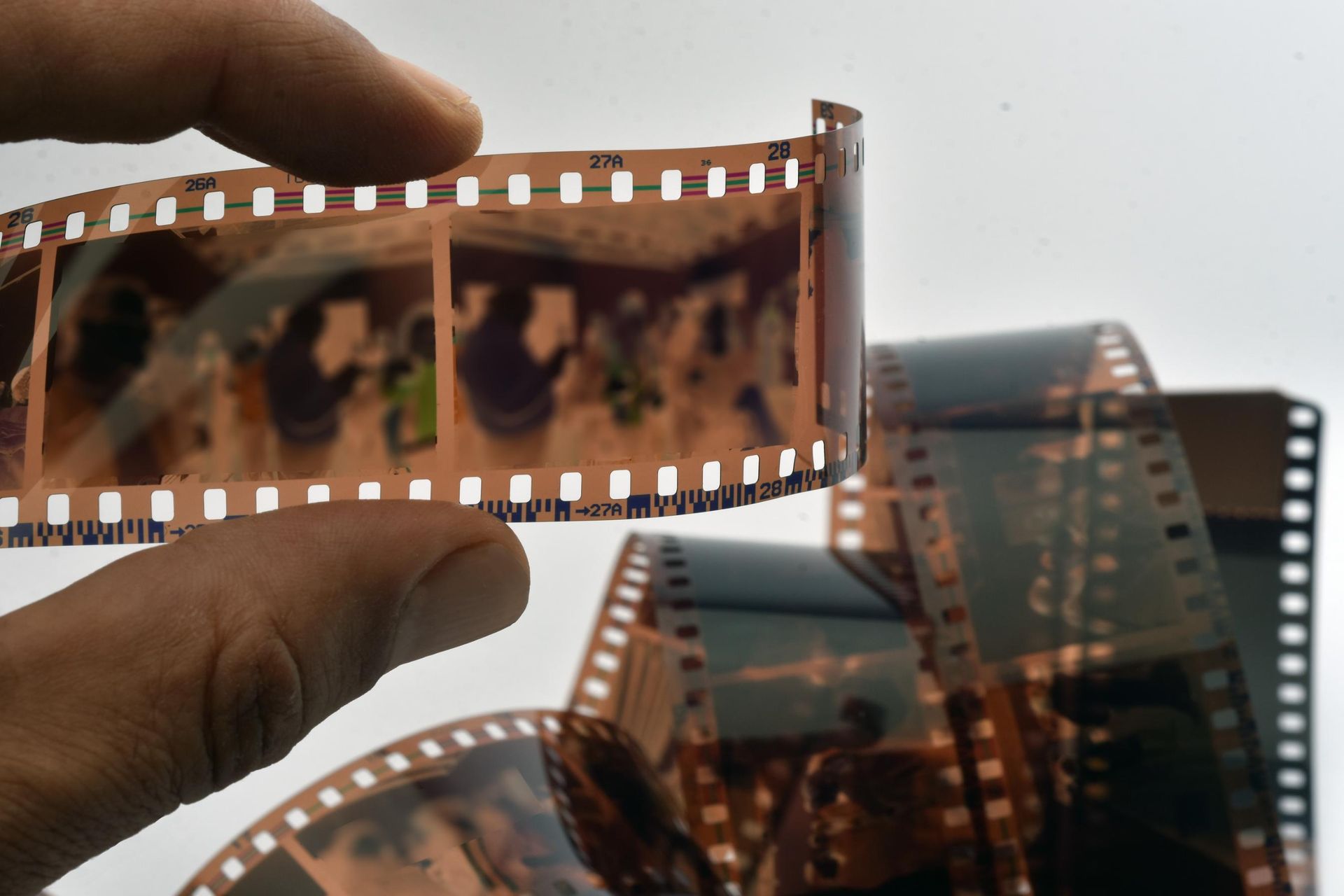
Film Processing and Color Correction Workflows
Photo finishing at this level requires precise film handling and color accuracy management. Film processing is conducted through standardized chemical development or hybrid scanning workflows depending on the medium submitted.
C41 Color Negative Film Processing
C41 color negative film is processed using standardized chemical workflows designed to deliver accurate color reproduction, balanced contrast, and consistent results across all exposures. This process supports 35mm and medium format film commonly used in everyday and professional photography.
APS Film Processing
APS film processing is handled using specialized equipment and workflows designed for this unique cartridge-based format. Each roll is carefully processed and prepared for scanning or printing while preserving image integrity and proper frame orientation.
Black and White Film Development
Black and white film processing focuses on tonal depth and grain structure preservation. Development times and chemical concentrations are adjusted based on film stock sensitivity and exposure conditions. The resulting negatives are optimized for both traditional enlargements and digital scanning workflows.
Digital Color Correction Workflow
After scanning or direct digital submission, images undergo color correction procedures. This includes white balance adjustments, exposure normalization, and contrast refinement. Each file is reviewed individually to maintain consistency with the original capture conditions while optimizing output quality for printing or digital delivery.
Print Production Options and Material Types
Photo finishing extends beyond image development into physical print production, where digital or film-based images are converted into tangible photographic outputs. Print production at Photo Center
involves controlled color management systems and calibrated output devices to ensure consistent reproduction.
Lustre and Glossy Photo Prints
Lustre prints provide a semi-matte finish that reduces glare while maintaining color vibrancy. Glossy prints, in contrast, enhance contrast and saturation, making them suitable for high-impact visual presentation. Both formats are produced using archival-grade photo papers designed for long-term durability.
Matte Fine Art Printing
Matte printing is used for images requiring a non-reflective surface and subtle tonal transitions. This format is commonly applied to portrait work, artistic photography, and archival reproduction. The ink absorption characteristics of matte paper allow for smooth gradients and detailed shadow rendering.
Enlargements and Specialty Sizes
Large-format enlargements are produced using high-resolution image files or scanned negatives. Output scaling is carefully managed to prevent pixelation or grain distortion. Specialty sizes are also available for custom framing or display requirements, with precise trimming and alignment controls applied during production.
Retouching, Restoration, and Image Enhancement
Photo finishing also includes post-production enhancement services designed to improve image quality or restore damaged photographs. These processes are performed digitally using calibrated editing systems that allow for precise control over detail and tonal adjustments.
Dust and Scratch Removal
Negatives and scanned images often contain physical imperfections such as dust spots or scratches. These are corrected through digital retouching techniques that preserve the original composition while eliminating unwanted artifacts.
Color Restoration for Faded Images
Old or improperly stored photographs may suffer from color fading or imbalance. Restoration techniques involve rebuilding missing tonal information and correcting color shifts to approximate the original appearance of the image.
Exposure and Contrast Balancing
Images with uneven exposure or lighting inconsistencies are adjusted to achieve balanced tonal distribution. This includes highlight recovery, shadow lifting, and midtone refinement to improve overall clarity.
Turnaround Times and Order Handling Process
The photo finishing workflow at Photo Center
follows a structured order handling system designed to maintain consistency and tracking accuracy throughout the processing cycle.
Intake and Initial Assessment
All submitted materials are logged upon arrival and assessed for condition, format type, and required processing method. This step ensures that each order is routed through the correct workflow sequence without delay or misclassification.
Processing Queue Management
Orders are placed into processing queues based on complexity and service type. Film development, scanning, and print production may follow separate timelines depending on workload distribution and material requirements.
Quality Review and Final Output
Before release, all finished images and prints undergo a quality inspection phase. This includes checking for color accuracy, sharpness, alignment, and overall output consistency. Any deviations are corrected prior to final packaging or digital delivery.
File Formats, Digital Integration, and Output Standards
Modern photo finishing requires compatibility between analog input and digital output systems. Photo Center
supports multiple file formats and integration methods to ensure seamless transitions between capture, editing, and final production.
High-Resolution Scanning Output
Film negatives and slides are scanned at high resolutions suitable for both print enlargement and digital archiving. These scans preserve fine grain structure and detail, allowing for flexible post-processing options.
Digital File Compatibility
Common file formats such as JPEG, TIFF, and PNG are supported for direct printing and editing workflows. Each format is evaluated for resolution, compression quality, and color profile consistency before processing.
Color Profile and Calibration Standards
Color management is maintained through standardized profiles that ensure consistency across devices and output formats. Calibration ensures that printed images closely match on-screen previews, reducing discrepancies between digital and physical results.
Photo finishing at Photo Center in Los Angeles, CA is structured around controlled processing systems that integrate traditional film development techniques with modern digital imaging standards.


